
Discover the highest RTP online slots and UK casinos with the best payout percentages in 2026. Learn how RTP works, compare top operators, and find the loosest slots. read the full guide
Excelsettleaabroad
Righteous Graphic Tee Explained Full Buyer Breakdown
Building an Outfit With Righteous Apparel When Temperatures Drop
A drop in temperature isn’t an excuse to giving up on style, and it certainly doesn’t require digging up the same formless overcoat you’ve thrown on for the last five winters running. Layering is a craft, and once you grasp how material weight, shape, and how something fits work together, you can build outfits that look intentional rather than accidental. This guide covers practical layering strategies using Righteous apparel, with attention to what actually keeps you warm versus what merely seems cozy. If you’ve been searching for a deep-dive review before investing in a layered closet, think of this as a practical rundown of how the pieces perform in actual weather, not just in the store display.
Good layering comes down to managing your body heat, not just adding more layers of cloth. Three thinner layers almost always work better than a single heavy layer because they capture warm air that your body heat heats. This is elementary heat science, and it’s why mountaineers and city commuters alike rely on the same three-part system: a base layer, a mid layer, and an outer layer. We Are Righteous designs pieces that fit neatly into each of these categories, which streamlines the process to combine and coordinate without second-guessing what goes with what.
Start With the Base Layer
The base layer lies next to your skin and has a single purpose: moisture management. If this layer traps sweat instead of wicking it off your body, the rest of your layers lose their effectiveness, and you’ll feel cold and sticky within the first hour outside. A snugly cut tee or long-sleeve from the Righteous clothing lineup works well here because a snug (not tight) fit cuts down the gap between skin and fabric, which quickens heat retention.
Cotton feels good against skin, but buy righteous t shirts it stays wet once it’s wet, so if you’re layering for real cold rather than mild autumn afternoons, take note of the weight of the garment and how the fabric is listed in the product details. A thicker jersey fabric will provide more warmth than a thin tee, even if both are the same silhouette. This is a case where the details matter more than the picture.
The way a piece fits also shapes how the next layer sits on top. A base layer that’s too baggy will crease unevenly under a mid layer, creating uncomfortable pressure points and patchy heat retention. Look for something snug against your frame through the torso and arms, with enough room to move without restriction. A difference of six or seven degrees of temperature difference can completely change which base layer weight makes sense, so don’t presume one tee works for all cool conditions between September and January.
Add a Mid Layer for Insulation
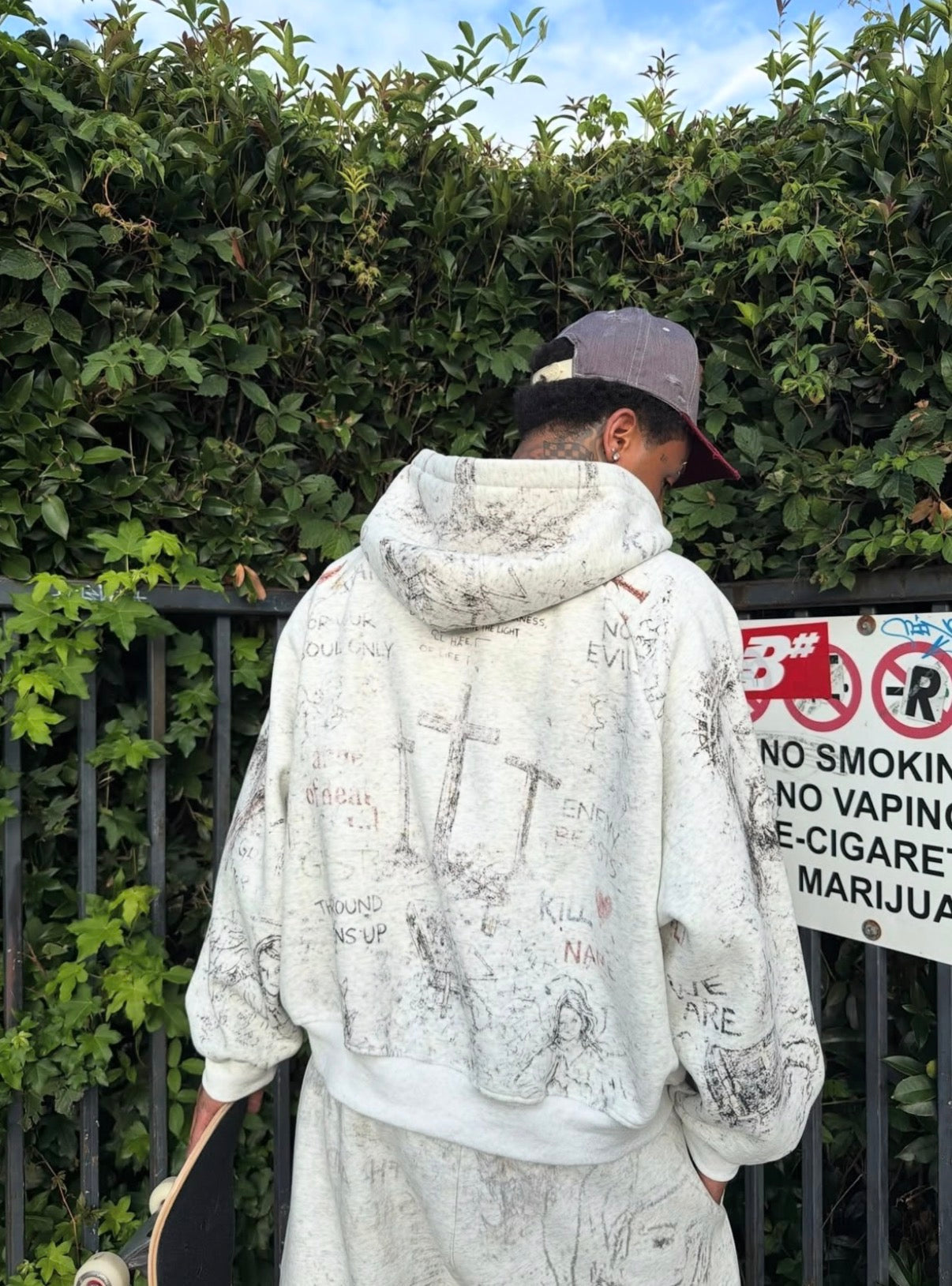
Here is where the noble hoodie secures its spot in the wardrobe cycle. A hoodie operates as the warmth-trapping layer, trapping warm air close to the body while still providing enough ventilation that you don’t get too warm as soon as you walk indoors. That hood adds a functional bonus: shielding the neck and head reduces thermal loss significantly, since a excessive amount of body heat escapes through areas left uncovered.
While picking out a hoodie for layering use, how it fits counts just as much as it does for the base layer, but in the reverse direction. You want enough give to comfortably layer a tee beneath it without feeling hemmed in, but not so much excess fabric that it becomes cumbersome under a jacket. A gently loosened cut through the shoulders and body, with fitted cuffs, tends to layer best because it retains heat at the wrists without introducing bulk elsewhere.
Zip-front hoodies offer more temperature control than pullover styles because you can regulate airflow without fully removing the layer, which is useful during shifting seasons when mornings are brisk but afternoons warm up noticeably. Pullover styles, on the other hand, tend to offer slightly better warmth retention since there’s no zip seam admitting drafts. Neither option truly wins out; it depends on whether you’re preparing for a fixed daily commute or a day with fluctuating temperatures.
Plenty of people digging through we are righteous review threads specifically ask about the warmth-to-weight balance of a hoodie, and the honest answer is that it hinges on what you’re wearing beneath and above it. A hoodie is a middle layer, not a self-sufficient answer to cold weather, and using it that way is the most common layering error people make once temperatures drop below the point where a single sweatshirt is sufficient.
Complete the System With an Outer Layer
What the outer layer does is to block wind and moisture while letting the layers underneath do the work of insulating. This is where a lot of people spend too much or plan too little, purchasing a heavy coat that’s too much for 50-degree weather or a lightweight jacket that does little once the wind picks up. Aligning your outer layer to actual conditions, rather than the year’s coldest day, preserves your layering system adaptable.
For most cool-weather days, a medium-weight jacket layered over a Righteous hoodie and base tee covers a broad span of temperatures without needing a wardrobe change every time the forecast moves by a few degrees. The key is choosing an outer layer roomy enough to accommodate the hoodie beneath it without squeezing it, since compressed insulation loses effectiveness. Compression forces out the pockets of air that were doing the actual work of keeping you warm.
Take note of both length and width. A jacket that ends right at the hip complements a longer hoodie underneath, since the extra coverage prevents cold air from sneaking in at the waistline. This point may seem trivial, but those who’ve experienced a chilly gap at their lumbar area on a blustery day understands exactly how significant it can be.
A Side-by-Side Look at Layer Functions
Breaking down each layer’s function side by side makes it easier to shop with intention instead of guessing. The table below breaks down what each layer is responsible for and what to emphasize when selecting pieces from a Righteous apparel collection or building out a layering system generally.
| Layer | Chief Purpose | Fit Focus | Sample Item |
|---|---|---|---|
| Base Layer | Sweat control and early-stage warmth | Snug, close to skin | Righteous long-sleeve or tee |
| Mid Layer | Insulation, heat retention | Loose through the torso with snug cuffs | Righteous hoodie |
| Outer Layer | Blocking wind and repelling moisture | Loose enough to fit over the mid layer | Mid-weight jacket |
Each layer carries out its separate function—none can fully take the place of the others. Jumping directly from bare skin to a hoodie—skipping the base layer—costs you the sweat-managing benefit that maintains comfort during exertion. Since moving air strips heat away much quicker than calm air, leaving off the outer layer on a gusty day wastes much of the warmth built up underneath.
Workable Combinations for Actual Conditions
Specific pairings help more than general advice, so here’s how layering typically breaks down across a cool-weather range using the Righteous clothing brand lineup as the framework. These aren’t rigid rules, but they’re a reasonable starting point based on how each layer type performs.
- 55-65°F: By day, a single Righteous tee typically does the job, while a hoodie waits in reserve for when it cools down in the evening.
- 45-55°F: A base tee paired with a hoodie takes care of the majority of conditions without needing an outer shell, especially in low wind.
- 35-45°F: Full three-layer system becomes necessary, particularly if you’re outdoors for more than 30 minutes at a stretch.
- Below 35°F: Since the hoodie mid layer on its own can’t hold enough heat, look into a heavier base layer option combined with an insulated outer layer.
Such ranges shift depending on wind, moisture, and personal cold tolerance, so treat them as a framework rather than a rigid formula. A person who runs cold might bump every threshold up by five to ten degrees, and this is a fair adjustment to consider based on experience rather than guesswork.
Frequent Layering Errors to Watch For
The right pieces alone aren’t enough—since sloppy layering habits can undercut the entire system. Easily the most recurring mistake is making all layers the same size, which creates bulk instead of effective insulation. Each layer should get progressively roomier as you move outward, not identically sized.
People also often overlook their extremities when layering. Wrists, neck, and ankles lose heat fast, so a hoodie with a solid hood and close-fitting cuffs does more functional work than it usually gets credit for. Paying attention only to the torso, while ignoring these details, leaves gaps in an otherwise solid system.
Lastly, avoid judging a layering system purely by its appearance in a photo or on a shelf. In ways not always obvious until the wind actually hits you, these fabric properties all determine how things perform in practice. That’s part of why reading a thorough we are righteous brand breakdown, checking genuine product specs, and understanding your own layering habits matters more than chasing trends. Build the system in order, base to mid to outer, and adjust each piece based on the conditions you’re actually dressing for rather than the conditions you wish you had.
